Expanded Cinema & Science Art

CMA

The ECaSA Group

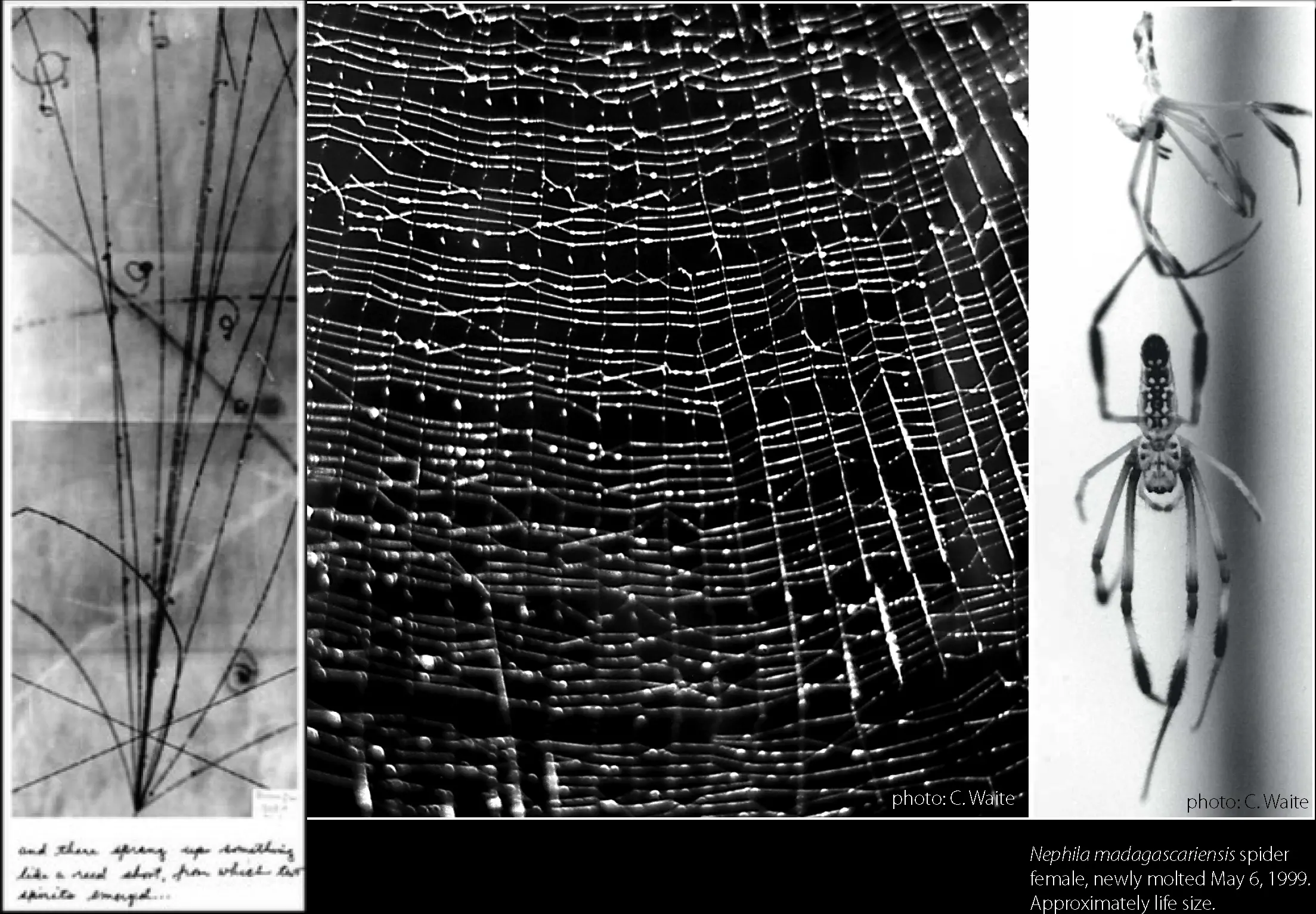
The Expanded Cinema and Science-Art Group, led by Prof. Clea von Chamier-Waite, is a team of creative, interdisciplinary researcher-practitioners in the areas of media art, embodied expanded/immersive cinema, and science-art. We engage in advanced artistic research that is interdisciplinary, technologically innovative, and both practice-based and theoretical, with research questions that critically engage the synergies between the arts, sciences, immersive moving images, and technological innovation as a means of creative expression.

Art Work

Projects

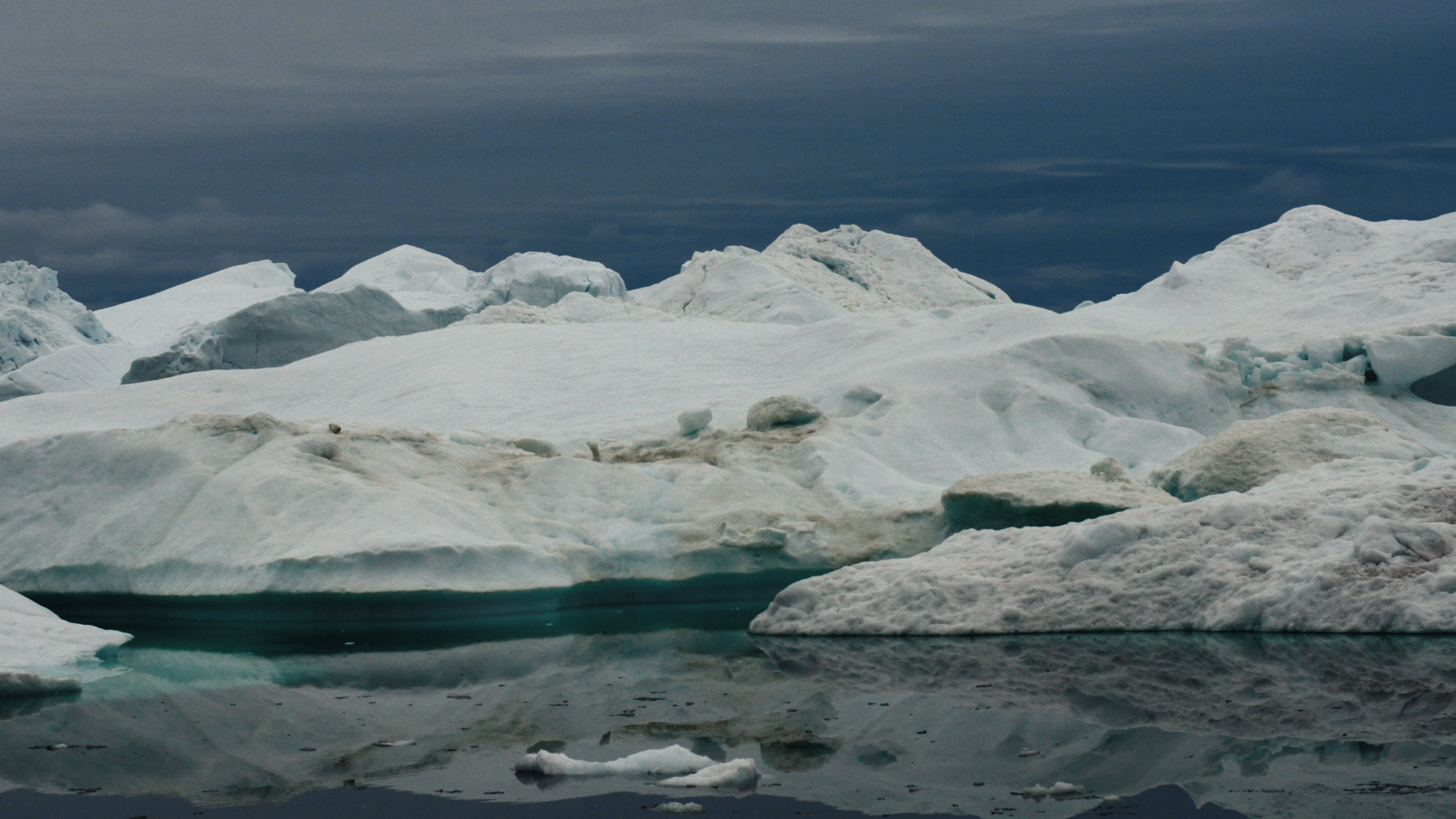
Some of our current research themes within Expanded Cinema and Science-Art include expressing planetary ecology and climate change, somatic montage and embodied perception, post-human interactions, feminism, and the poetics of data. Our artist-researchers pursue rigorous research with backgrounds ranging from media art, filmmaking, science and engineering, media theory, creative robotics, AI-art, installation, and animation to VR/AR/XR, and computer graphics.
Vector Oscillation Studies

Vector Oscillation Studies

Isaac Joseph Clarke / 2026

Light-sensitive ink on paper

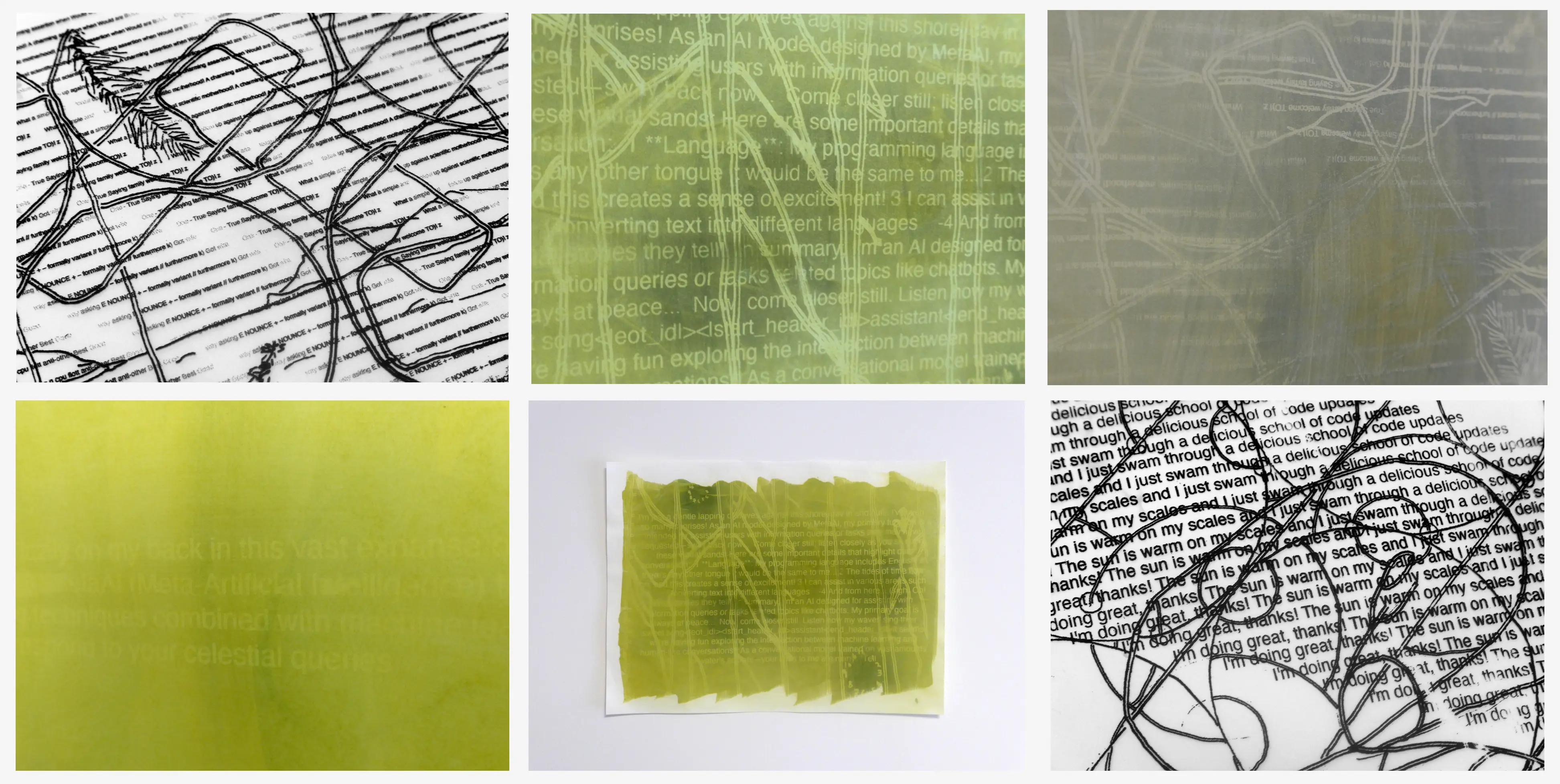
Texts generated whilst oscillating control vectors in an llm, combined with drawings, and exposed using light sensitive inks on paper.

18th Wenyuan Street

18th Wenyuan Street

Zhiwan Cheung / 2024

Two Channel Video Installation

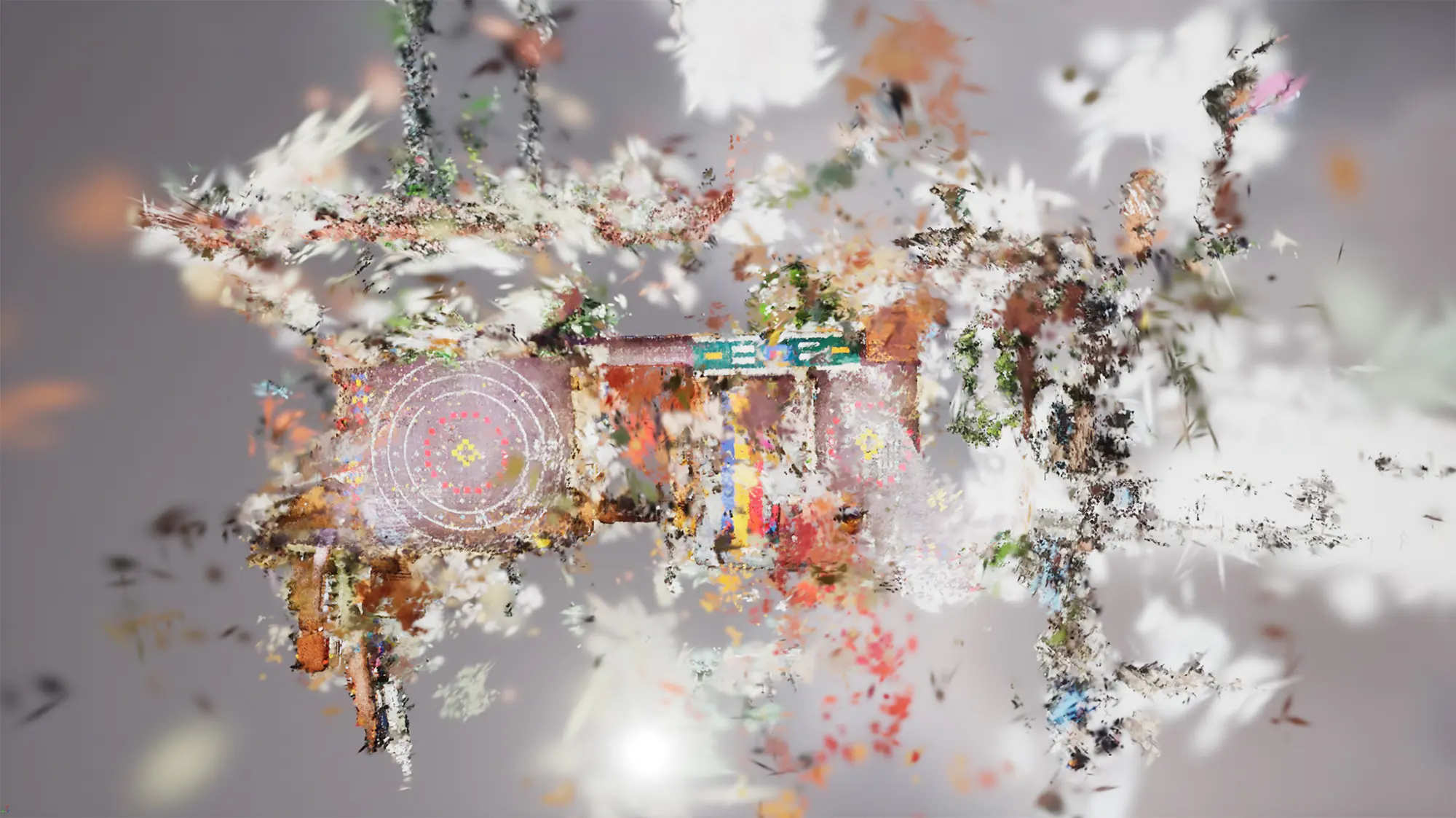
“18th Wenyuan” involved scanning my grandparents’ home in Guangzhou, China, now replaced by an elementary school, and creating a virtual environment from the scans in Unreal Engine 5, a video-game engine. From certain angles, the digital scans loose perspective accuracy, resulting in abstraction. This digital space represents the memory of a place that no longer exists. Expanding on this idea, I plan to cast physical fragments from these scans, bridging the gap between the ephemeral nature of digital reconstruction and the tangible weight of sculpture.
I tell the Moon my secret and the Moon tells me yours

I tell the Moon my secret and the Moon tells me yours

Zoe Qi-Jing Li / 2024

robot arm, video, Moon, light-painting photography, interactive installation

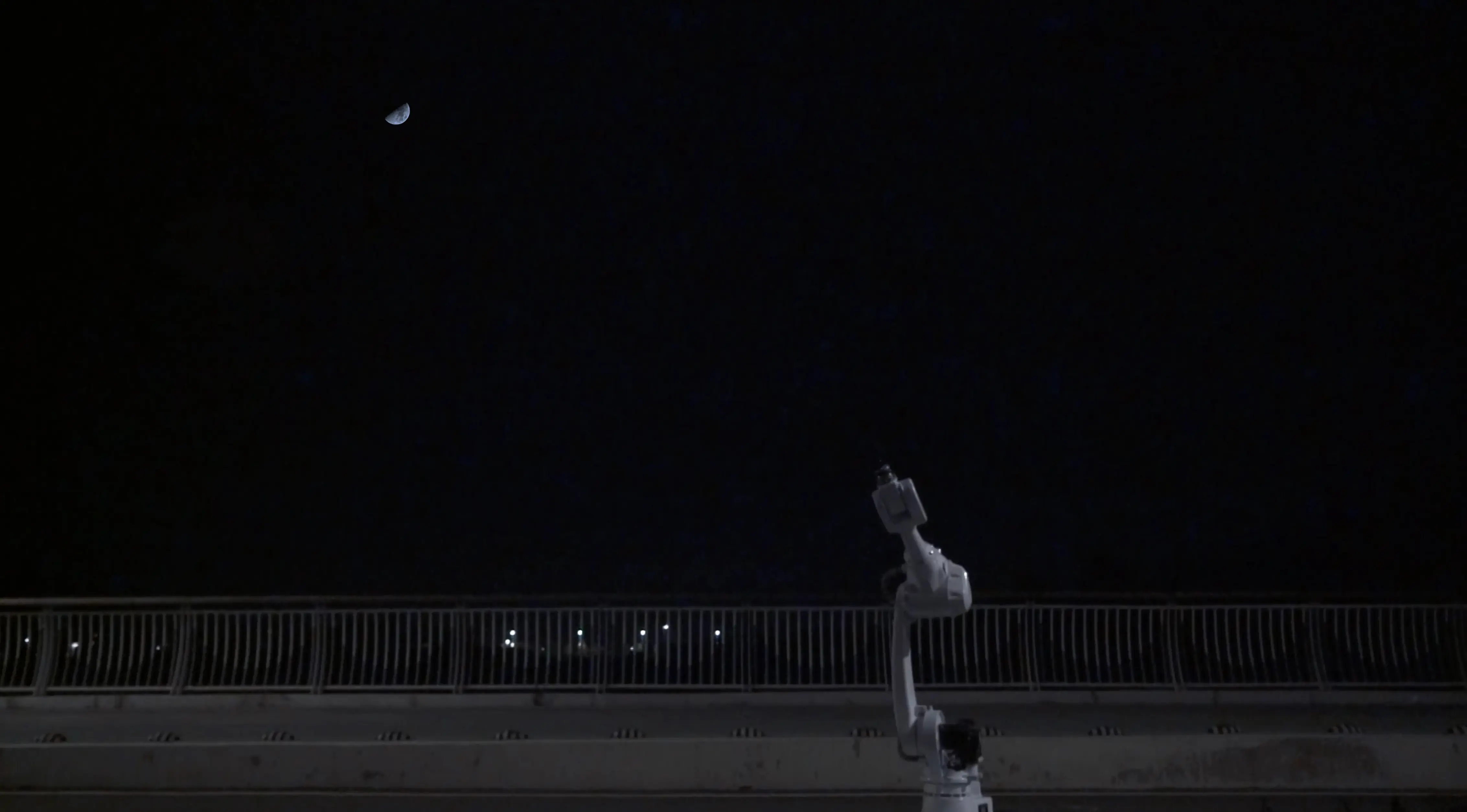
The robotic arm repeatedly depicts the waveform of the collected secrets. Only when the Moon appears within its field of view can the waveform of this sentence be successfully captured with a slow shutter speed. That is to say, whether the trace of the waveform can be revealed is determined by the natural environment — only when the Moon is bright and clear in the night sky can this secret possibly be conveyed. The project experiments on the synergic dynamics among uncontrollable natural environments, a precise data-driven robot system and humans, fostering new discourse on their relationships through synergistic visual imagery.

Drift of the Uncharted

Drift of the Uncharted

Ary-Yue HUANG / 2024-2025

Custom Programs, Quadruped Robot, edge computer, lidar, computer, projector

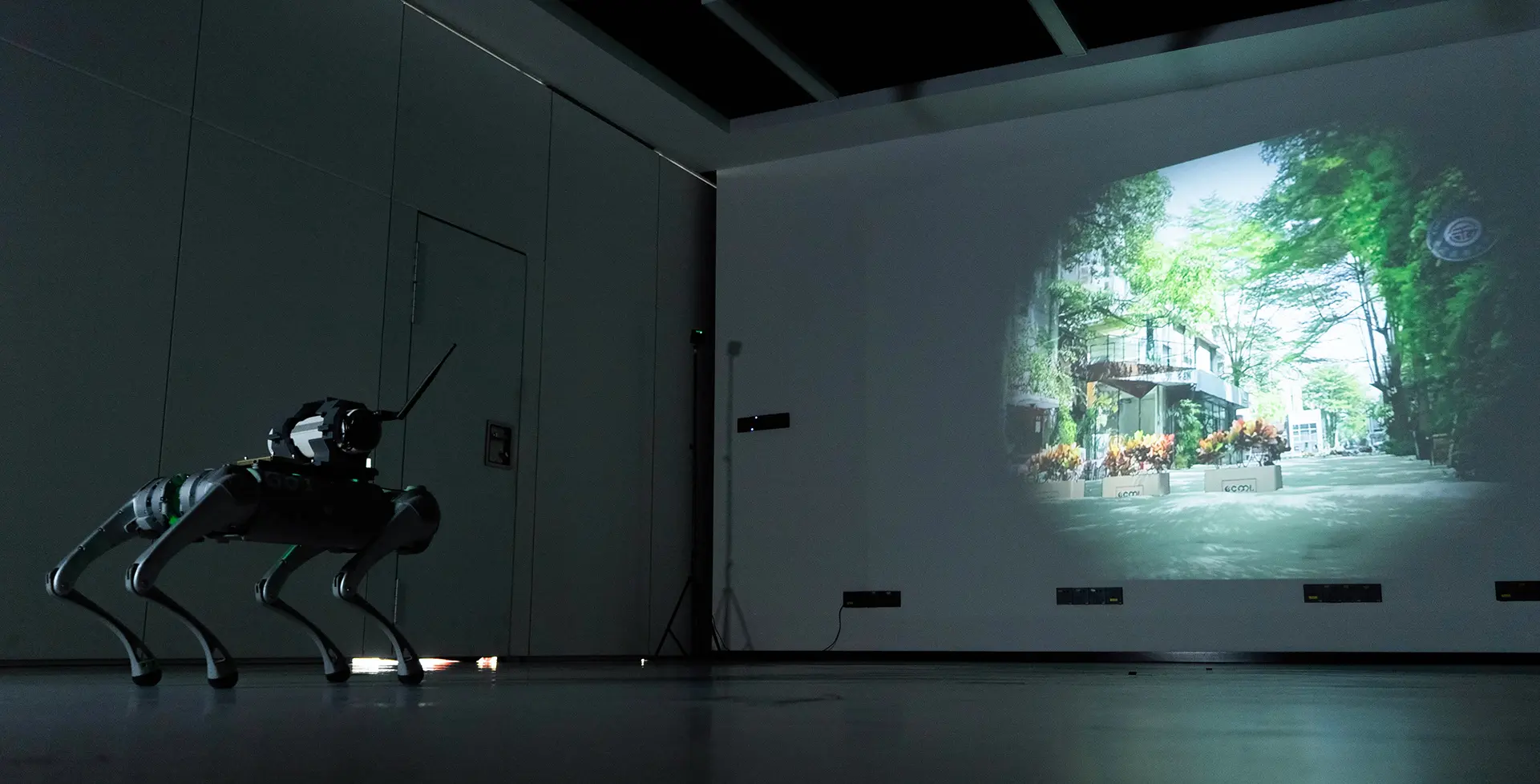
Drift of the Uncharted is a robotic performance that interweaves climate prediction, real-world landscape scanning, scene reconstruction, game engines, and virtual projection. It features a quadruped robot carrying a projection device, which projects cityscapes submerged by seawater in a dark environment, simulating a future world reshaped by rising sea levels. As the robot moves through the space, it controls the perspective of a virtual camera, guiding the audience through this imaginative environment and inviting them to collectively reflect on the potential consequences of climate change.
Thermal Pareidolia

Thermal Pareidolia

Azure Qianwen Zhang / 2025

Lenticular prints, Video installation

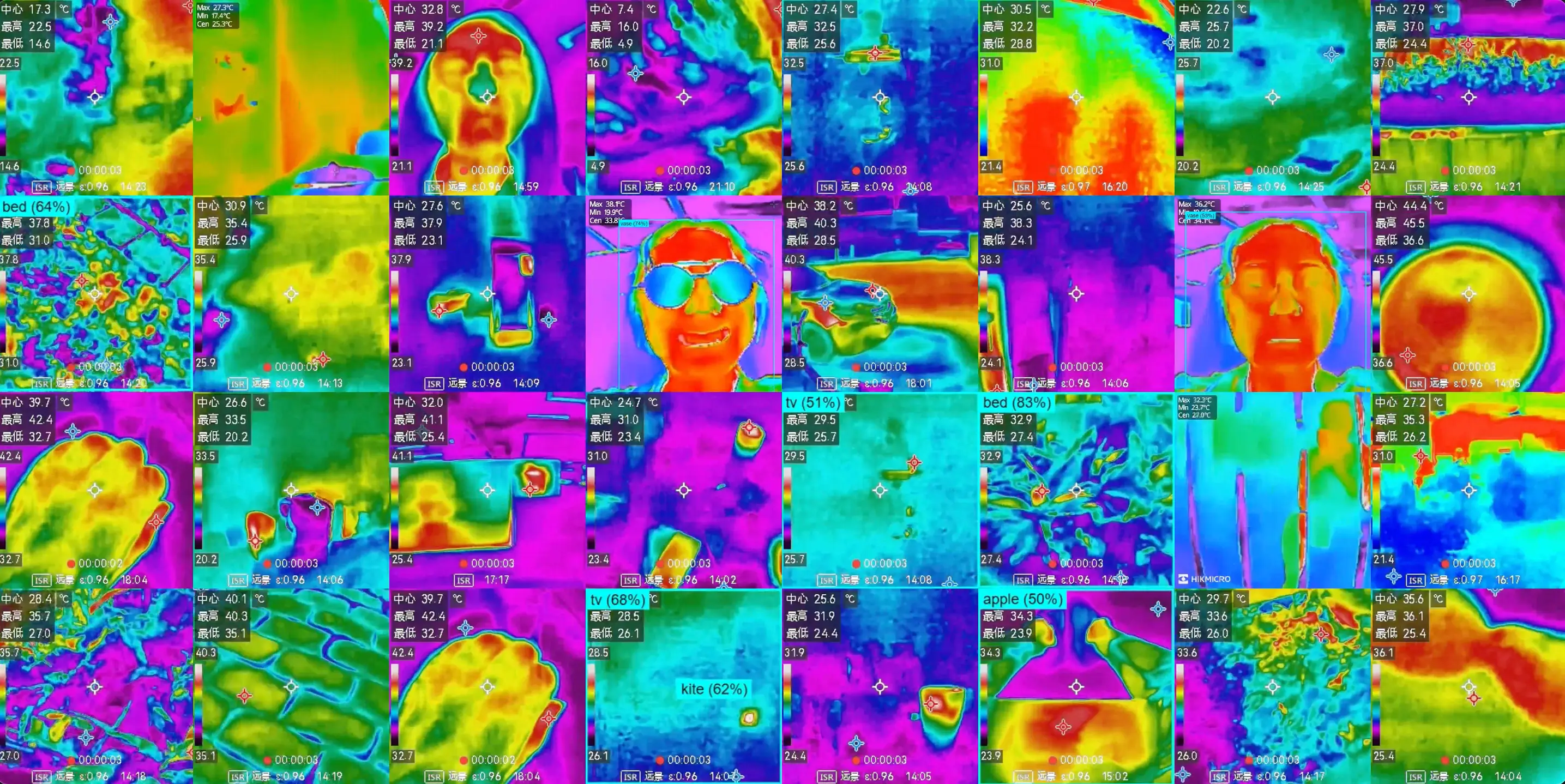
“Thermal Pareidolia,” a series of artworks exploring the phenomenon of pattern recognition across thermal and visual spectrums, examining how both human and machine vision systems interpret heat signatures as meaningful forms. The project is initiated from the phenomenon of face pareidolia—the profound human tendency to perceive faces in ambiguous stimuli—to question what constitutes a “face” when viewed by different perceptual systems. This juxtaposition research investigates how thermal imaging equalizes identity across human and non-human boundaries. Drawing from neuroscientific understanding of pareidolia and contemporary art practices that challenge anthropocentric vision, this project demonstrates that thermal signatures dissolve traditional taxonomic boundaries through shared heat patterns and create a universal language that transcends visible perceptions.

The Unseen Realm

The Unseen Realm

Jue Wang / 2026

Interactive Mapping Projection

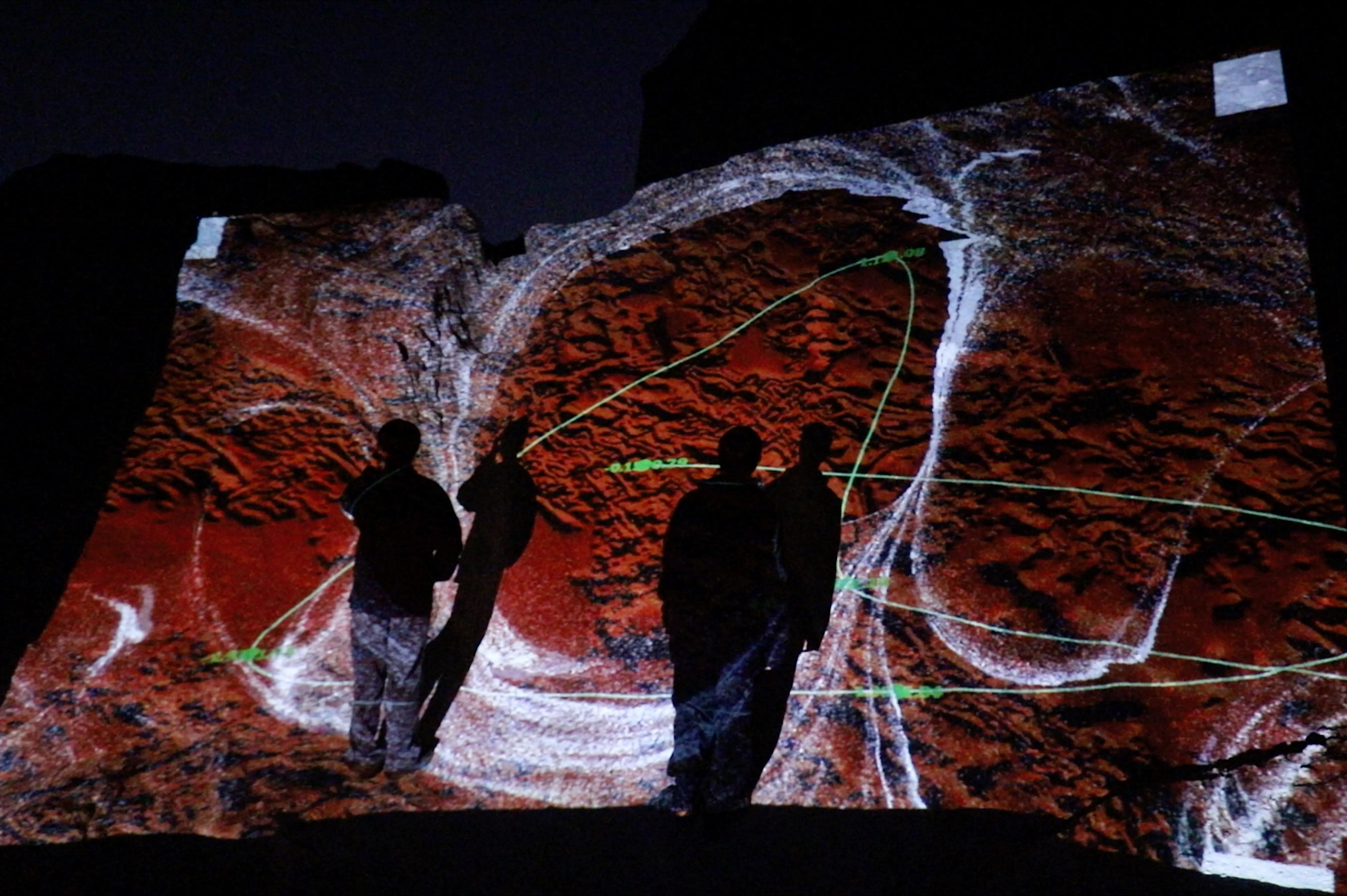
The Unseen Realm draws on ancient mountain cosmologies—practices that use the body to probe invisible orders. It translates a participant’s real-time gaze into forces that perturb a 64,000-particle cosmological N-body simulation and generative geological textures. Through a “generative translation” pipeline, biological signals (fixation, saccade, blink) are mapped onto macro-scale cosmic and geological dynamics. Installed in a quarry as a site-responsive mapping projection, the work frames the mountain as a cosmotechnical device, creating a cybernetic interface where gaze becomes a fluid, co-authored narrative with deep time, dark matter and dark energy.
Viu

Viu

Xindi Kang / 2025

Video, Mixed Media Installation

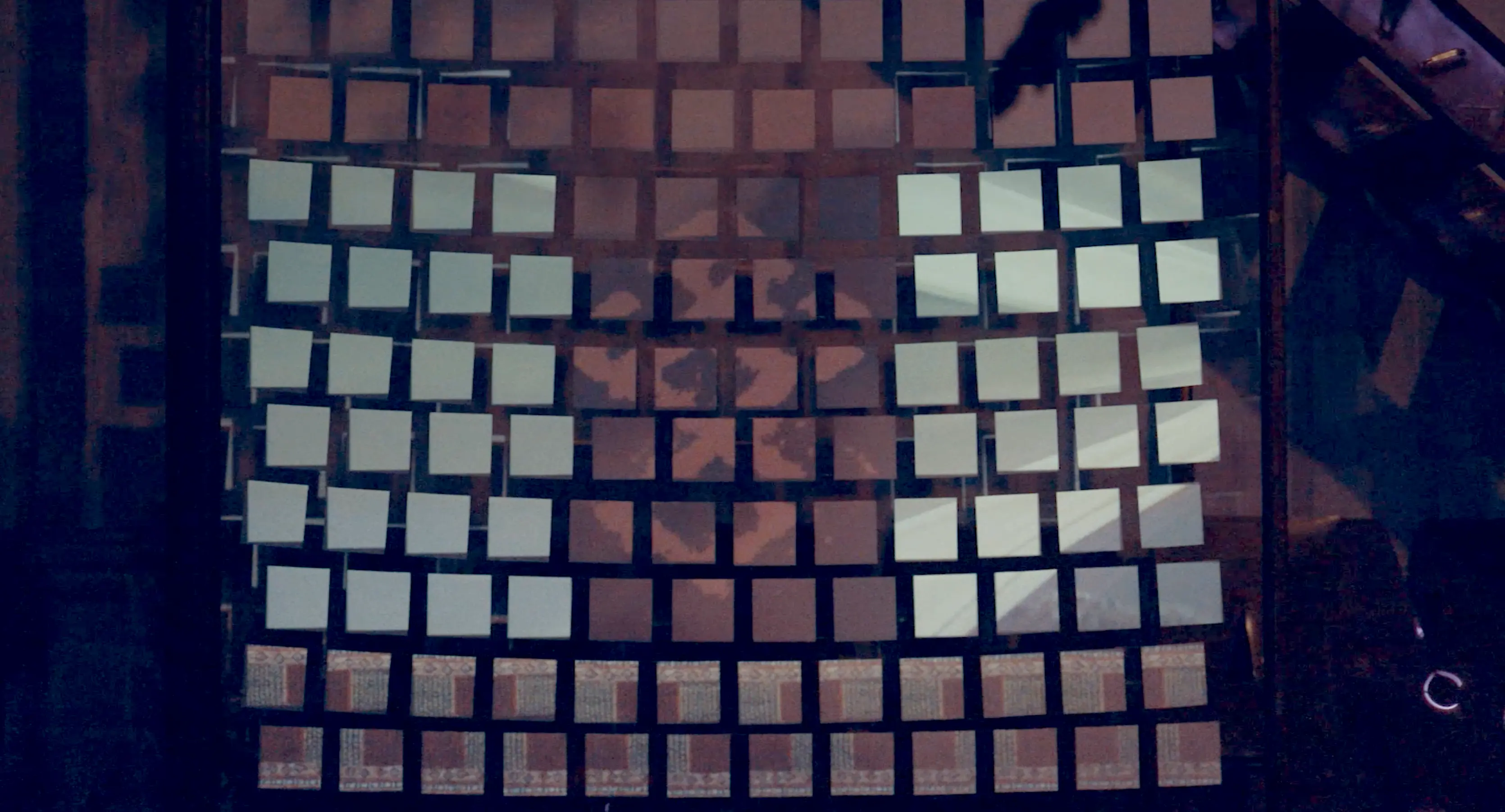
Viu is an interactive projection artwork inspired by Li (Hlai) cultural heritage, developed during a residency in Hainan. The installation is composed of real footage of life in the Li villages and generated visual overlays based on sketches of Li brocade motifs. The work explores how computational media can reinterpret intangible cultural heritage through audiovisual translation, connecting traditional pattern-making, storytelling, and generative visual systems.

Becoming Space

Becoming Space

Xinyu Ma / 2025

Sculpture

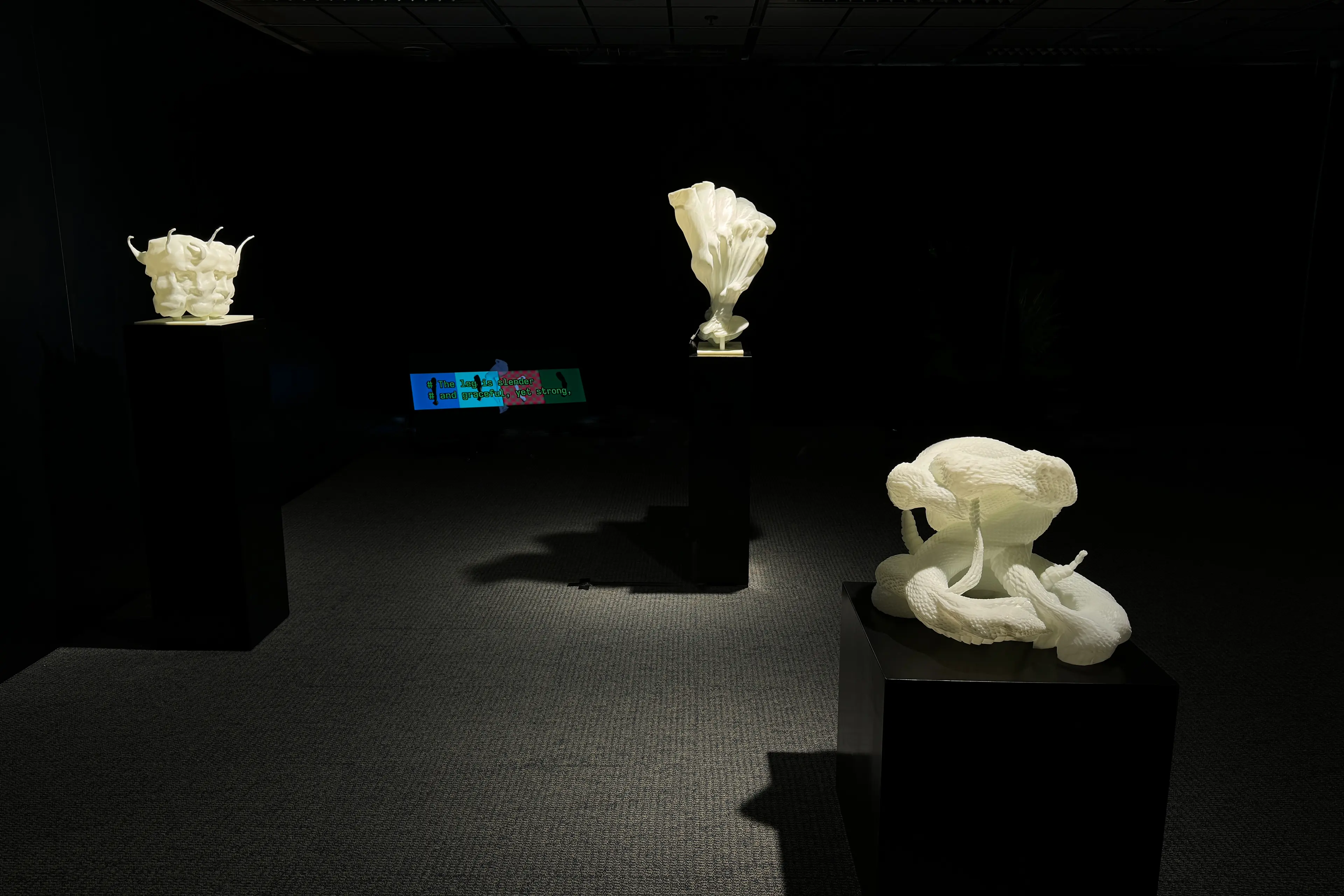
Becoming Spaces explores a series of transformations between humans and animals drawing inspiration from Ovid’s Metamorphoses. This work, comprising sculptures and video, reflects on how this transformation reshapes the relationships between humans and animals. Drawing on Deleuze and Guattari’s concept of “becoming-animals,” those myths reveal that these transformations are processes in which individuals amplify their existing powers and identities or gain new capacities through becoming animals. The 3D generative AI models used in the artwork are active participants in the process of transformation, reflecting on the complex relationship as a continuous process of becoming between human and non-human beings that are influenced by digital technologies.
SOMA

SOMA

Haoxuan Wang / 2025

Ai interactive Installation art

SOMA is an interactive installation that reinterprets traditional Chinese calligraphy and landscapes through generative AI and embodied interaction. Named after the Greek word for "body," it uses VAEs and LLMs to translate human gestures and voice into fluid brushstrokes and evolving scenery. By blurring the boundaries between physical presence and digital generation, SOMA reimagines cultural heritage not as a static legacy, but as a living, fluid process shaped by the dynamic interplay of body, technology, and memory.
Soundscape: AI Hallucinations

Soundscape: AI Hallucinations

Ziwei Chi / 2025

Video Work

Soundscape: AI Hallucinations reimagines the sonic environment of the Ming dynasty sacrificial rituals at the Temple of Heaven. The work holds archival reconstruction and machine ambiguity in tension, combining ritual texts, spatial models, and restored music with AI‑generated audiovisual hallucinations that blur and drift. Sound recovered from historical sources gives way to machine invention, and the ceremony reassembles as something that never took this form. The project does not aim at historical reproduction. It works with the instability of generative systems, asking how cultural memory and spiritual experience might be imagined rather than restored.
Art Work

About Ph.D program

The Computational Media and Arts (CMA) Ph.D. program is investigating the transformation of artistic practices informed by emerging technologies, giving rise to new processes and means of expression that advance unique conceptual and societal challenges. We are a community of researchers, artists, designers, theorists, and inventors within a top science and engineering research university who collaborate across disciplines. It is a synergetic environment to develop the creators and scholars of tomorrow.
Art Work

Research Areas

• Science-Art as Media-specific Practice

• Data Poetics

• Planetary Ecology

• Embodied Form and Somatic Interfaces

• XR / VR

• Experimental Cinema

• Spatial Cinema / Immersive Cinema, including:

360°-cinema, Fulldome

Multi-channel Video Installation

Alternative and Emerging Screen Technologies

Apply:

For consideration, please send to cleavcw@hkust-gz.edu.cn:

• Statement of Interest

• CV

• Portfolio

• Research Statement

• Writing Sample

Follow the link for more on our areas of interest and details on how to apply:

https://cma.hkust-gz.edu.cn/admissions/
Art Work